
Dog ear wax is normal, and most dogs in the UK never need their ears cleaned because of it. A thin film of pale yellow to light-brown wax with little smell is a healthy canal doing its job. What deserves attention is a change: more wax than usual, a new odour, a different texture, or a dog who begins shaking their head or pawing at an ear. For practical steps you can use when planning everyday care, see Best Dog Ear Cleaner.
Read Brown Discharge in a Dog's Ear for more detail on ear care. For more on ear care, see Dog Ear Cleaning Solution.
Quick answer: Judge dog ear wax on four points (amount, texture, smell and behaviour) against your own dog's baseline, not a generic colour chart. If the smell or your dog's comfort changes, ring your vet before reaching for a cleaner. For practical steps you can use when planning everyday care, see How to Clean Your Dog's Ears at Home.
For more on the signs and questions to take into account, read Antibiotics for Dog Ear Infection and Natural Remedies for Dog Ear Infection.
What Dog Ear Wax Is and Why Dogs Make It
Ear wax (cerumen) is a blend of secretions from glands in the canal skin and shed skin cells. It traps dust and debris and keeps the canal lining supple. Healthy ears are pale pink with little odour, and wax is part of that picture rather than a sign of poor care (Merck Veterinary Manual).
Our guide How Dogs Hear covers a related part of ear care.
For more on ear care, see Dog Ear Wax.
The canal also clears wax by itself. Skin cells in the lining drift slowly towards the opening, carrying debris with them (Cole, 2009). A dog's canal drops down and then turns inwards towards the eardrum, so buildup can sit out of sight at the bend. Our dog ear anatomy guide shows why that L-shape matters.
Read Dog Ear Haematoma for more detail on ear care.
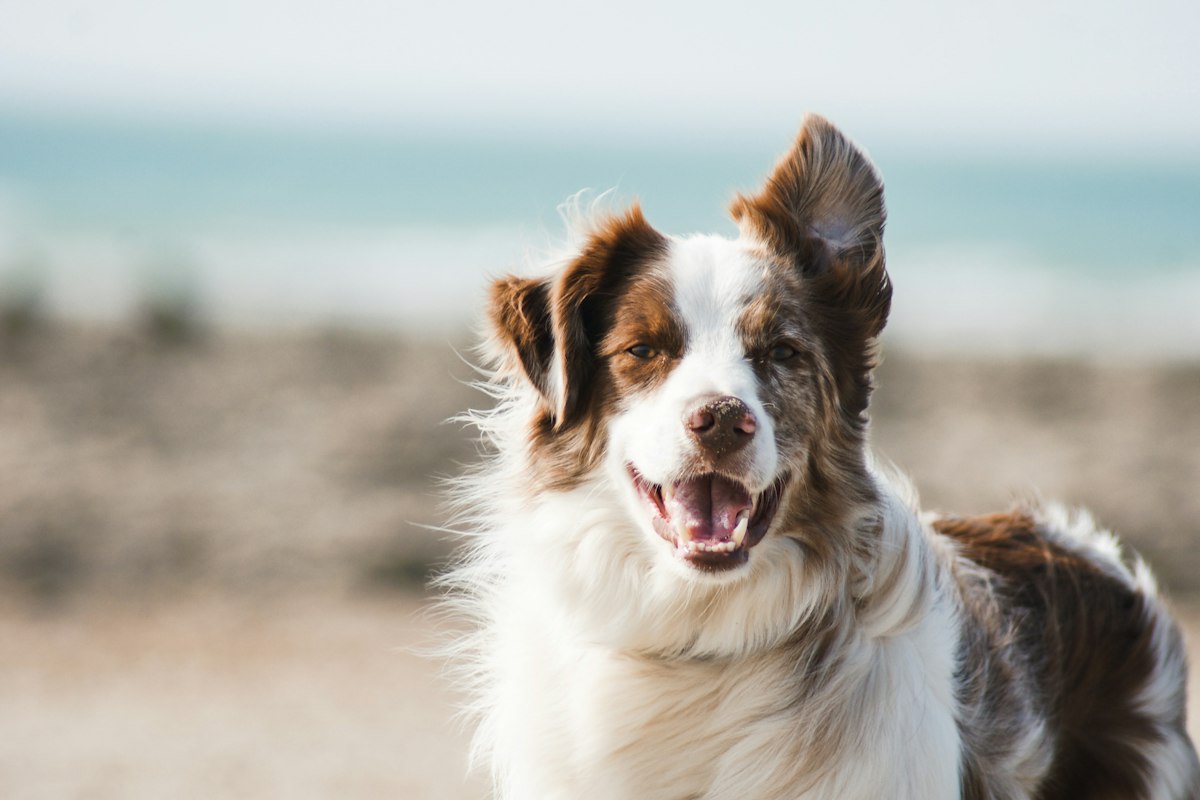
Normal Dog Ear Wax vs. a Warning Sign
Colour is only one clue; our article on what dog ear wax colour means and what it cannot prove explains why. A steadier approach is to score four features and watch how they change.
| Feature | Usually normal for that dog | Worth a vet appointment |
|---|---|---|
| Amount | A thin film seen only up close | Clearly more than usual, or back within days of cleaning |
| Texture | Soft, light, easy to wipe | Greasy, sticky, crusty, or dry and crumbly |
| Smell | Little or none | Sour, musty or foul |
| Behaviour | Ignores the ears, relaxed when touched | Head shaking, scratching, rubbing, flinching or a head tilt |
Smell and behaviour carry the most weight. Wax can look dramatic in a healthy ear, while a clean-looking opening can hide trouble deeper in. Only a swab examined under a microscope (cytology) shows what is actually growing there.
For related questions about ear care, read Home Remedies for Dog Ear Infection and Do Labradors Have Good Hearing? Ear Facts & Care.
Set a baseline in five minutes
- Choose a calm moment in a bright room, which helps on a grey Manchester afternoon as much as a sunny one in Brighton.
- Photograph the inside of each ear flap and the visible canal opening.
- Sniff each ear and note it down: none, faint or strong.
- Repeat weekly and compare left with right.
If one ear is clearly different from the other, tell your vet. Many owners of dogs with recurrent yeasty ears add inside-out support alongside good hygiene, such as our Yeast Infection Drops, used with your vet's guidance rather than instead of it. To see what an estimate or purchase may include, use the examples in Dog Ear Yeast Infection Treatment UK. For more detail on yeast-related skin or ear questions, see What Can I Give My Dog for a Yeast Infection? UK Guide. For help describing what you notice, our guide to dog yeast infection in the armpit describes the changes you can note for your vet. For a more detailed comparison around yeast-related skin and paw care, read Dog Yeast Infection vs Allergies.
Our guide Dog Yeast Infection: Signs, Diagnosis and Veterinary Care covers a related part of yeast-related skin and ear questions.
For more on yeast-related signs and care, see Dog Ear Yeast Infection Treatment.
Why Some Dogs Make More Wax Than Others
Ear shape plays a part. In a large UK primary-care study (RVC VetCompass data), drop ears carried roughly 1.8 times the odds of otitis externa compared with erect ears (O'Neill et al., 2021); see our floppy vs upright ears guide. Damp from swims in the Lake District or muddy walks, dense hair in the canal and skin allergies can all slow the natural outward movement of wax. Ear disease rarely has one cause; anatomy, allergies, moisture and opportunistic microbes usually work together (Saridomichelakis et al., 2007). To put those observations in context, see Brown Discharge in a Dog's Ear and Signs of Ear Infection in Dogs for related questions about ear care and changes to watch for. If you are keeping a record, our guide to dog inner ear infection symptoms describes the changes you can note for your vet.
Our guide Best Dog Ear Infection Treatment 2026 covers a related part of ear care.
That is why plenty of wax does not prove infection. Malassezia yeast was recovered from 28.0% of healthy-eared dogs and 57.3% of dogs with otitis in one comparison, with larger populations in the affected dogs (Cafarchia et al., 2005). Finding yeast is not a diagnosis; the amount, and whether your dog shows signs, is what counts. For more detail on ear care and changes to watch for, see Dog Ear Infection Treatment in the UK and Antibiotics for Dog Ear Infection in the UK. Our UK guide to treating a dog's yeast infection sets out the treatment questions and costs you can discuss with your vet.
For related questions about yeast-related skin and ear questions, read Dog Yeast Infection Treatment and Dog Yeast Infection Home Remedy.
Common Mistakes With Dog Ear Wax
- Cleaning a healthy ear to a timetable. If there is little to remove, leave it. See how often to clean dog ears.
- Using cotton buds. They can push wax deeper towards the eardrum, and the Merck Veterinary Manual advises against them.
- Home mixtures. Vinegar, peroxide and alcohol can irritate inflamed skin, and you cannot see whether the eardrum is intact.
- Treating the wax as the problem. Wax that keeps coming back usually points to an underlying driver such as allergies or moisture, which cleaning alone will not fix.
When to See Your Vet
Book an appointment, and put nothing in the ear first, if you notice:
- A strong or foul smell from either ear
- Redness, swelling, heat or a narrowed canal
- Pain, such as yelping or refusing to let you touch the ear
- Pus, heavy dark discharge or any blood
- Persistent head shaking or scratching
- A head tilt, stumbling, circling or eyes flicking side to side, which can signal inner ear involvement and needs urgent care (ask your practice about its out-of-hours service)
Our dog ear infection symptoms checklist shows what infection looks like, and the dog ear infection treatment guide covers what vets typically prescribe. More dog health guides are on the Pure Majesty Pets homepage, or browse our yeast relief collection. If you want to explore the related questions about ear care and changes to watch for, start with Dog Has an Ear Infection and You Can't Afford the Vet in the UK. For questions about yeast-related skin and paw care, the guides Is a Dog Yeast Infection Contagious? What the Evidence Says and Dog Yeast Infection on the Belly cover separate parts of the topic.
Our guide Worst Dog Food for Yeast Infections UK covers a related part of yeast-related skin and ear questions.
For related UK yeast-care guidance, compare dog yeast infection home remedies, dog yeast infection medicine, dog yeast infection treatment in the UK, dog paw yeast infection.
For diet and gut-support options that can influence product choice, see dog food for allergies and yeast infections and probiotics for dogs with yeast and allergies.
For related UK reading, see bifidobacterium animalis for dogs, tramadol for dogs, dysbiosis in dogs and can dogs take ibuprofen.
For related UK reading, see pumpkin for dogs, consent conditioning cooperative care, best supplements for senior dogs a complete guide and gelatin for dogs.
For related UK reading, see meloxicam for dogs uk, history of dogs uk, what do sled dogs eat and ketoconazole for dogs.
For related UK reading, see can dogs eat jello, gastroenteritis in dogs, why is my dog pooping blood and proviable for dogs.
For related UK reading, see enterococcus faecium for dogs.
Frequently Asked Questions
Is it normal for dogs to have ear wax?
Yes. A small amount of pale yellow to light-brown wax is normal and protective. It becomes a concern when the amount, texture or smell changes, or your dog seems uncomfortable.
How much ear wax is too much for a dog?
There is no set figure. Compare with your own dog's usual amount: wax that keeps increasing, returns quickly after cleaning, or comes with a smell or itching deserves a vet check. When comparing choices for ear care and changes to watch for, read Dog Ear Cleaners UK alongside the product details above.
For more on ear care, see Dog Ear Mites vs. Ear Infection.
Should I clean my dog's ears if I see wax?
Not automatically. For most healthy dogs, a weekly look and cleaning only when buildup is visible is enough. Never clean a painful, smelly or discharging ear before your vet has examined it.
For more on ear care, see Dog Ear Health. For more on ear care, see Ear Care for Floppy-Eared Dogs.
Our guide How Often to Clean Dog Ears covers another part of ear care.
Does ear wax mean my dog has an ear infection?
No. Healthy ears produce wax, so wax alone does not diagnose infection. Smell, redness, pain and persistent head shaking alongside it point towards one. For more detail on ear care and changes to watch for, see Natural Remedies for Dog Ear Infection in the UK. For a closer look at the choices, our guide to yeast vs bacterial dog ear infection sets out the differences worth checking.
For more on ear care, see Dog Has an Ear Infection and You Can't Afford the Vet.
Why does one ear have more wax than the other?
Mild differences are common, but a clear gap can reflect a local problem such as a foreign body, mites or infection in one canal. Mention it to your vet.
Scientific References
- Merck Veterinary Manual. Ear Infections and Otitis Externa in Dogs (Dog Owners edition).
- Cole LK. Anatomy and physiology of the canine ear. Vet Dermatol. 2009;20(5-6):412-421. doi:10.1111/j.1365-3164.2009.00849.x. PMID 20178478
- O'Neill DG, Volk AV, Soares T, et al. Frequency and predisposing factors for canine otitis externa in the UK: a primary veterinary care epidemiological view. Canine Med Genet. 2021. doi:10.1186/s40575-021-00106-1. Full text (PMC)
- Saridomichelakis MN, Farmaki R, Leontides LS, Koutinas AF. Aetiology of canine otitis externa: a retrospective study of 100 cases. Vet Dermatol. 2007;18(5):341-347.
- Cafarchia C, et al. Occurrence and population size of Malassezia spp. in the external ear canal of dogs and cats both healthy and with otitis. Mycopathologia. 2005;160(2):143-149. doi:10.1007/s11046-005-0151-x
This article is for educational purposes only and does not replace professional veterinary advice; always consult your veterinary surgeon about your dog's ear health.